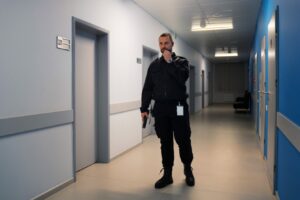
Hospitals, clinics and medical centres are busy. Patients need care, staff move between departments and visitors arrive all day. A clear security plan helps staff focus on care and reduces avoidable risks.
The ways guards improve safety in Leicester healthcare facilities include watching entrances, guiding visitors, spotting concerns and reporting incidents. Guards do not replace nurses or doctors. They support site rules and work with care teams. Good patient and staff safety management needs clear roles and calm communication.
Why Do Healthcare Facilities in Leicester Need Dedicated Security?
Healthcare sites differ from shops or offices. Patients may be unwell or upset, visitors may be unsure where to go, and staff need safe access to work areas.
Security can keep public spaces calm and protect restricted rooms. The plan should suit the site and its opening hours.
Protecting Patients, Staff and Visitors
A visible guard gives visitors someone to ask for help. Guards can give directions, report concerns and call the right staff member.
Managing Busy and Sensitive Spaces
Doors, waiting rooms and car parks may be busy. Treatment rooms, medicine stores and staff offices need tighter access.
What Are the Common Security Risks in Healthcare Facilities?
Unauthorised Access
A visitor may follow staff through a door or enter a room by mistake. This can put privacy, property and daily work at risk. Clear signs, checks and staff-only doors can help.
Aggressive or Disruptive Behaviour
Long waits, fear and stress can lead to arguments. Staff may face threats or physical aggression. Guards should stay calm, keep a safe distance and seek help early. They must follow site rules and not replace clinical staff.
Theft and Loss
Medical devices, computers and personal items may be at risk when rooms are left open. Good checks and clear reports help a site spot problems early.
Visitor and Out-of-Hours Concerns
Unclear rules can lead people into the wrong area. At night, fewer staff may be on site, while side doors and car parks still need attention.
How Guards Improve Safety in Leicester Healthcare Facilities During Daily Operations
A guard’s work should be clear and suit the site. Guards improve safety in Leicester healthcare facilities through steady tasks that help staff follow agreed rules.
Watching Entrances and Reception Areas
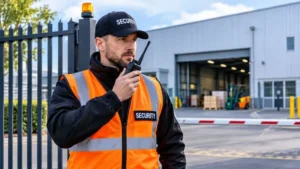
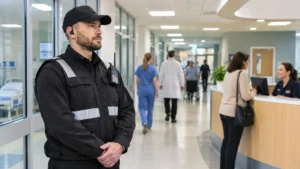
Guards can watch doors, guide visitors and report unusual activity. They can alert staff when someone tries to enter a restricted area without approval.
Supporting Visitor Access
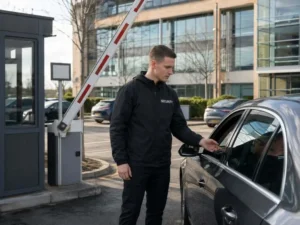
Hospital access control solutions should show who may enter each area and how checks work. Guards can check visitor details under site rules, give directions and refer concerns to staff. They should not make clinical decisions.
Carrying Out Planned Patrols
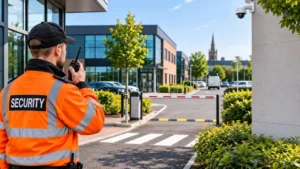
Patrols may cover corridors, outer doors, car parks and storage areas. Routes should reflect the building layout and known risks. A patrol log can show what was checked and when.
Reporting and Responding to Incidents
A guard may spot a dispute, a damaged door or someone who needs help. They should contact the right staff and follow the response plan. Clear notes help managers review what happened.
How Should Access Control Protect Patients and Restricted Areas?
Access rules should protect private areas without making care harder to reach. Hospital access control solutions may include public routes, staff-only doors, visitor checks and rules for contractors and deliveries.
Protecting Privacy
Patients should not face unwanted visits or people entering rooms without permission. Staff should manage access in line with site policy and patient needs.
Managing Staff, Visitors and Contractors
Different groups may need different access rights. A visitor may use a waiting area, while a contractor may need approval to enter a plant room. Guards can check the process and report gaps.
Keeping Access Simple
Signs should be clear. Staff should help people with mobility needs. Emergency routes must stay clear, and access rules must not delay urgent care.
How Should Guards Handle Aggressive Behaviour?
Good security starts early. Guards should notice rising tension, such as raised voices, threats or repeated arguments. They should listen, speak calmly, keep a safe space and avoid making matters worse.
If someone becomes violent or a person is at risk, guards should follow the emergency plan and call for help. Any physical action must be lawful, needed and within their training and role. Medical needs must go to qualified staff. Guards do not diagnose or treat patients.
How Does Patient and Staff Safety Management Benefit From Security?
Security works best when guards and healthcare teams know how to contact each other. Staff should know who to call and who leads each type of incident.
Supporting Staff and Respecting Vulnerable People
Guards can watch busy entrances and report threats. They should show respect to people who may be upset, confused or in pain. Welfare concerns should go to the right clinical or safeguarding lead.
Keeping Clear Records
Reports should state the time, place, facts seen, action taken and staff told. They should avoid guesses. Good records help managers spot repeat issues and review the plan.
What Should Medical Facility Security Planning Include?
Medical facility security planning in Leicester should begin with a review of entrances, patient areas, staff-only rooms, car parks and storage areas. Healthcare premises protection may include trained security guards, CCTV monitoring, alarm systems and controlled access points.
These measures help protect patients, staff, visitors and property. The plan should also define guard duties, patrol schedules, visitor procedures and incident reporting. Regular reviews help Leicester healthcare facilities address changing risks while allowing clinical teams to focus on patient care.
What Qualities Should Healthcare Security Guards Have?
Healthcare guards need clear communication, patience, sound judgement and the ability to follow rules. They should respect privacy, act with care around vulnerable people and know when to ask for help.
Managers should check an officer’s training, background and licence status where required. Officials explain when an SIA licence is needed, including rules for contracted security work and some in-house roles. The duty depends on the work and employment setup.
How Can You Choose a Healthcare Security Company in Leicester?
Ask about the provider’s healthcare experience, how it selects and trains guards, and how it will learn your site’s needs. Check that duties, cover hours, and reporting steps are clear.
Ask who handles urgent calls, staff absences and service reviews. The provider should explain how guards will follow your policies and work with clinical teams. For healthcare cover in Leicester, explore Healthcare Security Services and check whether the duties and hours suit your facility.
Conclusion
A safe healthcare site needs clear access rules, planned patrols and a calm way to deal with incidents. Guards improve safety in Leicester healthcare facilities when their duties are clear, and they work with care teams. A site-specific plan can help protect patients, staff, visitors and property without getting in the way of treatment. Managers should review their risks and choose cover that fits the facility. Speak with our team to find the right level of protection for your facility, staff and patients.
Frequently Asked Questions
1. Why Do Healthcare Facilities Need Professional Security Guards?
Guards help manage access, watch key areas, guide visitors and report risks. They support the site’s safety plan but do not replace healthcare staff.
2. What Are the Main Duties of Healthcare Security Guards?
Duties may include watching entrances, checking visitor access, carrying out patrols, reporting hazards and responding to incidents.
3. Can Security Guards Control Visitor Access in Hospitals?
They can support visitor rules and refer concerns to authorised staff. Decisions about care, consent and clinical access remain with the healthcare team.
4. Do Healthcare Security Guards Need an SIA Licence?
A licence is needed for many contracted roles that involve licensable activity. Some in-house roles are treated differently. The duty depends on the work and contract.
5. Can Healthcare Security Services Operate 24 Hours a Day?
Yes. Cover can include day, night and weekend shifts, based on the facility’s risks and needs.