Student accommodation is home to many people who may be living away from family for the first time. They share entrances, kitchens and study rooms with friends, couriers, repair teams and other visitors. This daily flow can make it hard to know who should be inside.
Good security measures for student safety help protect people and their belongings. In Leicester, halls, private blocks and shared houses face different risks. This guide explains how to make them safer.
Why Is Security Important in Student Accommodation?
A student residence should feel safe at all times. Good security protects residents, staff and visitors. It can also reduce theft and damage.
Students rely on laptops and phones for their studies. Losing them can cause stress and disrupt their course. A broken lock can put many rooms at risk. Clear rules and a simple way to report problems help teams act early.
What Are the Common Security Risks in Student Accommodation?
Unauthorised Visitors and Tailgating
Tailgating is when someone follows a resident through a secure door without using their own pass. This can give an unknown person access to private areas.
Theft and Damage
Phones, laptops, bikes and parcels can be targets. Shared kitchens, lounges and bike stores may be harder to watch when many people use them. Vandalism can also make these spaces unsafe or costly to repair.
Poorly Secured Areas
A faulty lock, open side door or dark path can create an easy way into a building. Fire doors must work as intended and must never be wedged open.
What Security Measures for Student Safety Should Every Residence Consider?
A safe building needs layers of protection. Locks help stop unwanted entry, but teams must also manage visitors and respond to incidents.
Secure Doors and Entry Points
Check that main doors close and lock. Inspect side doors, windows and gates too. Keep entry systems in good order and remove access rights when a student moves out. Emergency exits must stay clear and work as required.
Improve Lighting
Light entrances, paths, car parks and bike stores. Replace failed bulbs and trim plants that block views.
Set Clear Reporting Rules
Tell students who to contact about lost keys, damage or worrying behaviour. Put contact details in welcome packs and noticeboards.
Carry Out Regular Checks
Check doors, locks, lights and shared areas. Record faults, assign repairs and confirm they are done.
How Can Accommodation Teams Focus on Preventing Unauthorised Access to Student Housing?
Access rules should be clear. Students need to know how to admit a guest and what to do if someone asks to enter behind them.
Use Individual Access Cards or Keys
Give each resident their own card, fob or key. Avoid one shared code for a whole block. Ask students to report lost cards at once so they can be blocked or replaced.
Record Visitors and Contractors
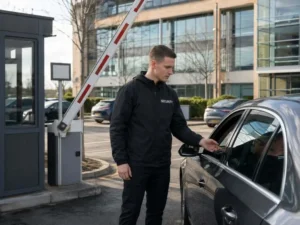
Set a visitor process. Guests may need to sign in and name the person they are visiting. Contractors should have agreed work times and access only to the areas they need.
Check Deliveries
Set a clear parcel collection point. Tell couriers where to leave items and do not let them walk through private floors to find a room. These steps support preventing unauthorised access to student housing while keeping daily life simple.
How Can CCTV and Security Patrols Work Together?
CCTV can help staff review entrances, reception points and outdoor routes. It supports security measures for student safety, but cannot replace locks, staff checks or a response plan.
Tell people where cameras are in use, limit who can view footage and keep it only as long as needed. Never place cameras in bedrooms, bathrooms or changing areas.
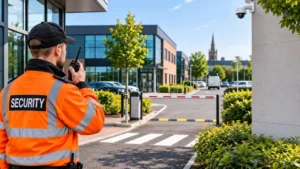
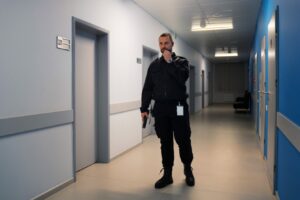
Patrols add a visible human presence. Officers can check doors and shared areas for damage, then respond to reports. Records show where checks took place. Staff should follow agreed steps and contact emergency services when needed.
Which Student Residence Safety and Security Measures Need Regular Review?
A security plan should change when the building or its use changes. New entry systems, repair work, higher occupancy or new visitor patterns may create gaps.
Check locks, access cards, lighting and CCTV. Review late-night areas such as laundry rooms, bike stores and paths between blocks. Ask residents about concerns and follow up.
After an incident, record what happened and how staff responded. Find the cause: a broken lock, poor lighting or unclear visitor rules may need fixing.
How Do Security Needs Differ Across Student Accommodation Types?
University halls have many residents, busy receptions and frequent visitors. They need clear entry rules, especially at peak times.
Purpose-built blocks may have lifts, study rooms, parcel areas and floors with different access needs. In shared houses, landlords and tenants should agree who holds keys and how to report problems.
Apartment blocks may share car parks, bike stores and outdoor areas. Include these in site checks, not just the main entrance. Student residence safety and security measures should fit how people use each site.
How Can Students Help Keep Their Accommodation Safe?
Residents play a part in security. Do not hold a secure door for someone you do not know or share keys, cards and codes. Lock your room when you leave and keep valuables out of sight.
Use bike storage and secure bikes with a strong lock. Report lost cards, broken locks, poor lighting or unusual activity. Do not confront someone who makes you feel unsafe. Move to safety and contact staff or police if there is danger. These habits help make security measures for student safety work.
What Should Providers Check When Choosing Security Personnel?
Before appointing a provider, set out the site’s needs: entrance checks, visitor support, patrols or incident response. Match duties to the risks.
Check that staff hold the right licence for the work they will do. GOV.UK explains how employers can check a private security licence on the Security Industry Authority register. The licence needed depends on the activity.
Ask how staff are briefed, how incidents are recorded and who receives reports. Agree patrol areas, hours and escalation steps.
Conclusion
Safe student housing needs clear access rules, good building care and residents who report concerns. Regular checks help spot faults early. Security measures for student safety should suit the site and its risks.
Security Company Leicester provides support for student accommodation across the city. Accommodation providers can explore its student accommodation security services in Leicester and enquire about cover for their site.
Frequently Asked Questions
1. What Are the Most Important Security Measures in Student Accommodation?
Start with secure doors, working locks, controlled access and good lighting. Add clear visitor rules, regular checks and an easy way for students to report concerns. The right mix depends on the building.
2. How Can Student Accommodation Reduce Tailgating?
Use individual access cards and make sure doors close behind each person. Tell residents not to let unknown people follow them inside. Staff should also act when an entry system fails.
3. Is CCTV Enough to Keep Student Accommodation Safe?
No. CCTV can help staff review activity, but it cannot lock doors, check visitors or respond in person. It should support a wider plan for access, upkeep and incident reporting.
4. Does Student Accommodation Need Overnight Security?
Not every building has the same needs. Review the layout, entry points, past incidents, occupancy and support already on site. This can help show whether overnight cover is needed.
5. What Should a Student Do After Losing an Access Card or Key?
Tell the accommodation team straight away. Ask them to block the card or change the lock or code if needed. Do not wait to see whether it turns up.